


“Yesterday I was clever, so I wanted to change the world. Today I am wise, so I am changing myself.”
Rumi
Dear Readers,
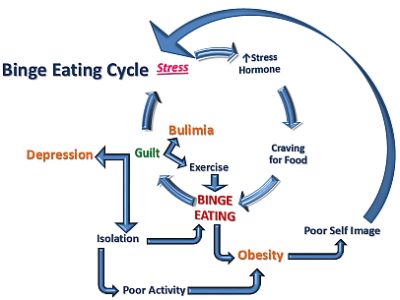
Binge eating is an eating disorder where a person feels compelled to overeat on a regular basis through regular binges. It takes work, determination, and planning, but binge eating disorder can be beaten. I hope you enjoyed the Webinar as much as I did. It was an amazing session by Dr Lisa. If you missed out then please don’t worry. I share with you the Webinar Handouts and a Video.
Dr. Groesz joined the Castlewood at Monarch Cove team as the Program Director for PHP/IOP levels of care and is currently the Clinical Director for all levels of care. Prior to that she was most recently managing a clinical practice in San Francisco, working with people faced with substance abuse, eating disorders, mood and anxiety disorders. She has worked with Center for Discovery following a clinical postdoctoral fellow at Stanford University School of Medicine, Department of Psychiatry and Behavioral Sciences and a research postdoctoral fellow at UC San Francisco. She obtained her PhD in Clinical Psychology from University of Texas, Austin, and served a behavioral medicine predoctoral clinical internship at UC San Diego. Dr. Groesz has multiple peer-reviewed publications in eating disorders. Dr. Groesz looks forward to maintaining a strong eating disorder program that goes beyond stabilization and focuses on the underlying issues with broad strokes that include psychotherapy, group therapy, dietary work and psychiatry.
This one hour webinar begins to dissect the assessment and treatment of Binge Eating Disorder, focusing on the unique nuances of this disorder. With it being an independent diagnosis in the DSM-V, it is important to be knowledgeable of empirically validated approaches. It
discuss clinical examples for assessment and treatment as well as risk factors associated with Binge Eating Disorder.
Learning Objectives:
Following this presentation participants will be able to:
1. Summarize the Diagnostic criteria for BED in the DSM-V
2. Implement assessments for BED
3. Describe risk factors for BED
4. Describe the relationship between stress and overeating
5. Implement at least 3 interventions for the treatment of BED
Download Handouts:
The Art of Treating Binge Eating Disorder

